In short
Three gardens take our guests: Glenburn, eight suites near 985 m above the Rangeet, full board at ₹57,230 a night for two; Taj Chia Kutir inside Makaibari, 73 rooms with a spa and a heated pool; and Cochrane Place above Kurseong. Stay two or three nights, and come between late February and November to see leaf being made.
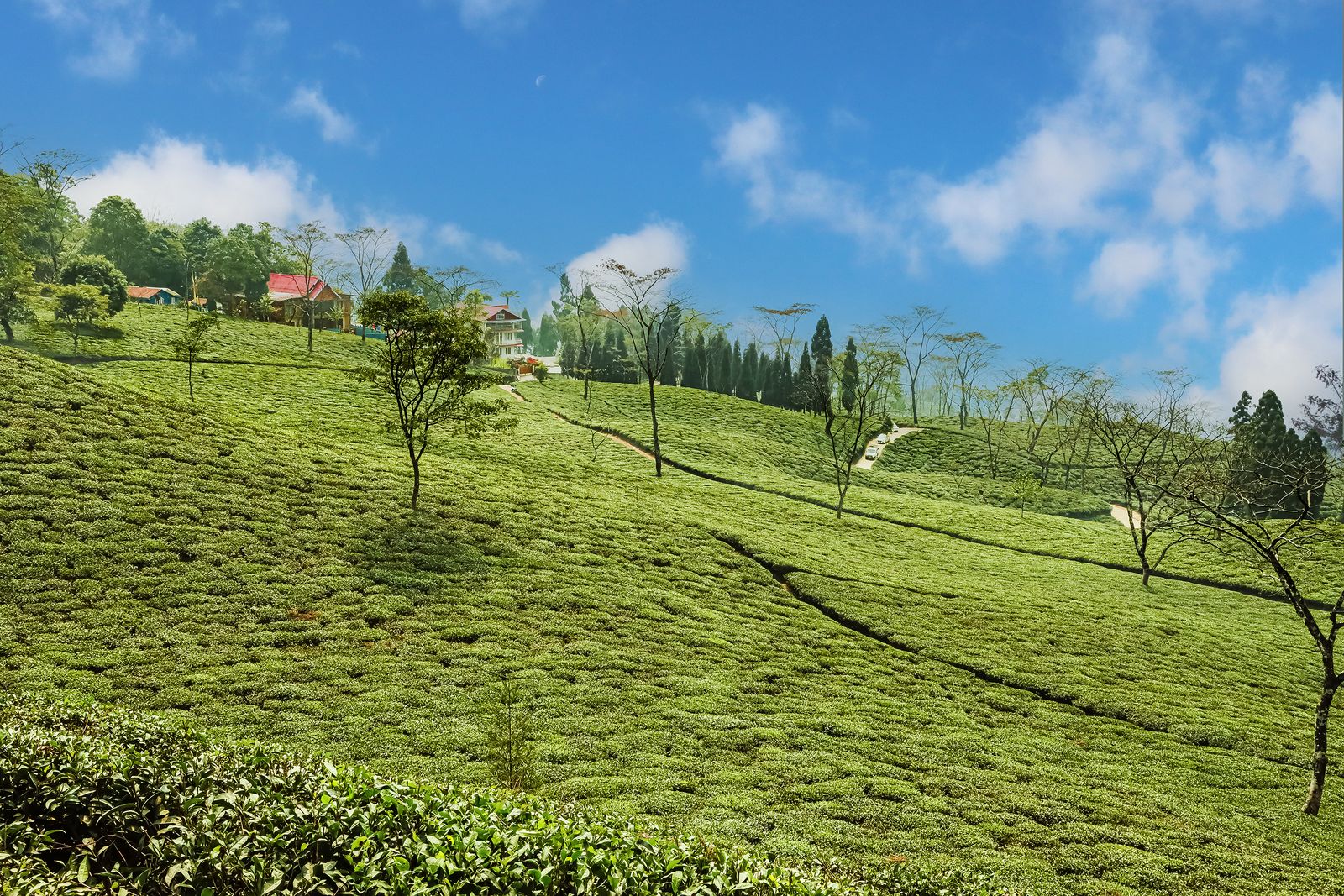
The best thing most people do in Darjeeling is sleep on a working estate, and the reason is simple: the tea is not a display. Leaf comes off the slope in the morning, the factory runs while you watch it, and the woman who pours your tea at four o'clock weighed that leaf at nine. Of the gardens the Tea Board recognises, only a handful take guests at all, and they differ. We book three, and this note says which house suits whom, what the rate covers, and what we would not send you to. If it is the leaf itself you want to understand, read how to buy real Darjeeling tea alongside this.
What an estate stay actually is
An estate bungalow is a manager's house that has been opened to guests. That has three consequences worth knowing before you book. The house is small, so there is one dinner table and one sitting room, and you will meet the other guests. The staff are estate staff, which is why the service feels like a private house rather than a hotel, and why nothing happens quickly. And the estate is a business growing tea, so the factory's calendar, not yours, decides what there is to see. None of this is a drawback. It is the difference between a tea resort and a garden, and it is the reason to go.
The three houses we book, side by side
These are the houses we have put guests into and can brief. Each is a different kind of holiday, and the third is a stop rather than a stay.
| House | Where, how high | Size | What the rate covers | From Bagdogra | Suits |
|---|---|---|---|---|---|
| Glenburn Tea Estate | A spur above the Rangeet, bungalows near 985 m, Darjeeling district | Eight suites in two bungalows, the Burra and the Water Lily | Full board with picnics, the factory tour and tasting, guided walks and the estate's own car from the airport | About 3 hours, ending with fifteen bumpy minutes on the garden's private road | Couples, readers, walkers, anyone who wants one house and no itinerary |
| Taj Chia Kutir, inside Makaibari | Among Makaibari's own sections below Kurseong, about 1,400 m | 73 rooms and suites, the J Wellness Circle spa, a heated indoor pool | Room and meals as booked; the garden walk, factory and tasting are arranged separately | About 36 km, 1 hour 10 minutes by the Pankhabari road | Families, grandparents, anyone who wants a pool, a spa and the plains within reach |
| Cochrane Place by Teesta Hotels | 132 Pankhabari Road at Fatak, just below Kurseong, ringed by Makaibari, Castleton and Ambootia | 31 rooms grown out of the old house of Percy John Cochrane, a Kurseong magistrate | Room and meals; Anglo-Indian and Nepali cooking in its own kitchen | About 40 km, up to 2 hours depending on the road your driver finds clearest | One night on the way up, and tea drinkers who like an eccentric house |
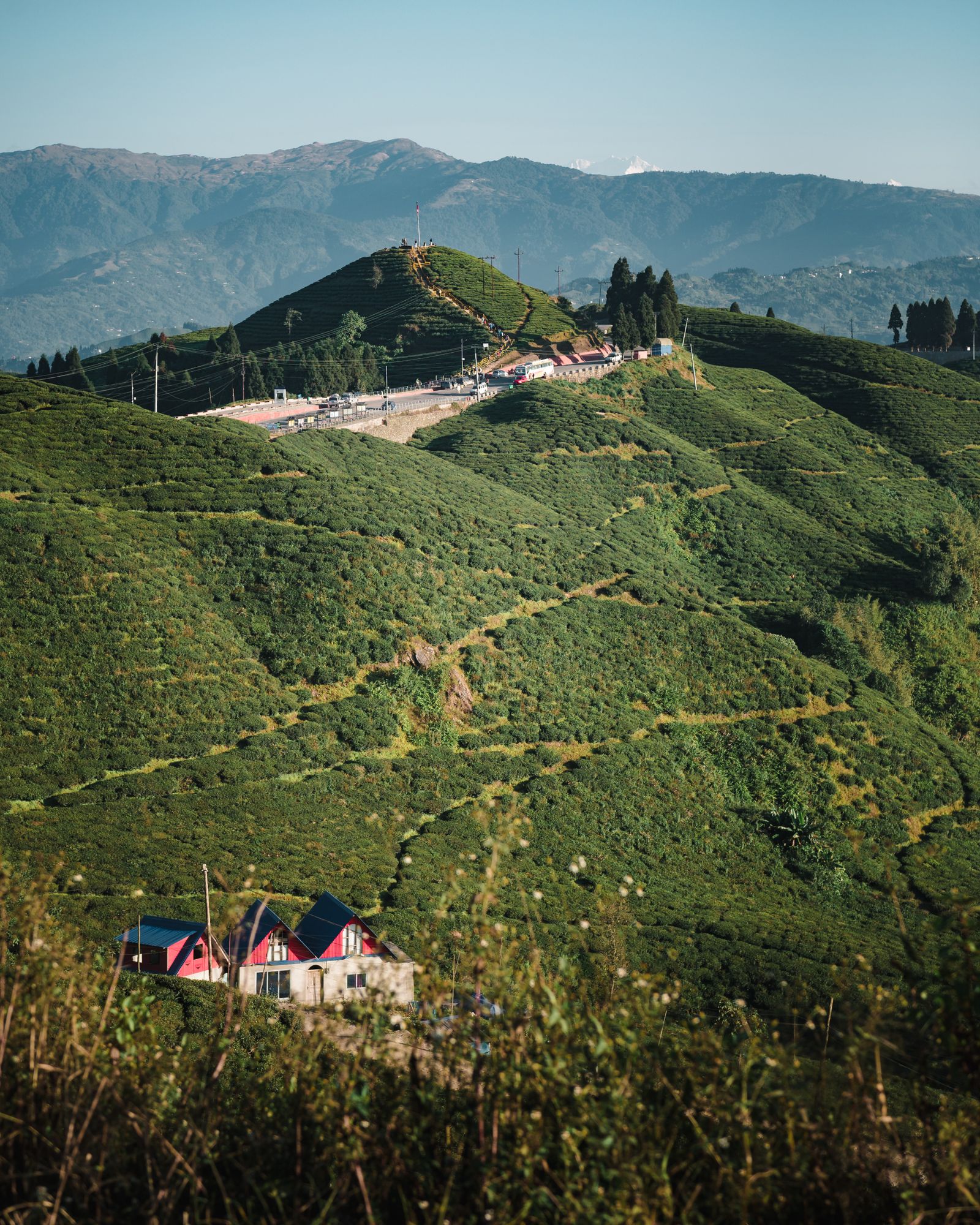
Of the gardens in view from those three terraces, two open their factories and two do not. Glenburn works its own, and Makaibari, 3 km below Cochrane Place, takes visitors and was certified fully organic in 1988, long before Temi over the border in Sikkim. Castleton and Ambootia, also in that view, do not open their factories at all, which is why on The Tea Trail we buy their current-season teas in advance and pour them on the terrace instead. Makaibari also has homestays run by estate families, and we use one of them for lunch rather than for a night, because a bungalow and a worker's spare room are not the same promise.

Altitude decides the cup, the verandah decides the view
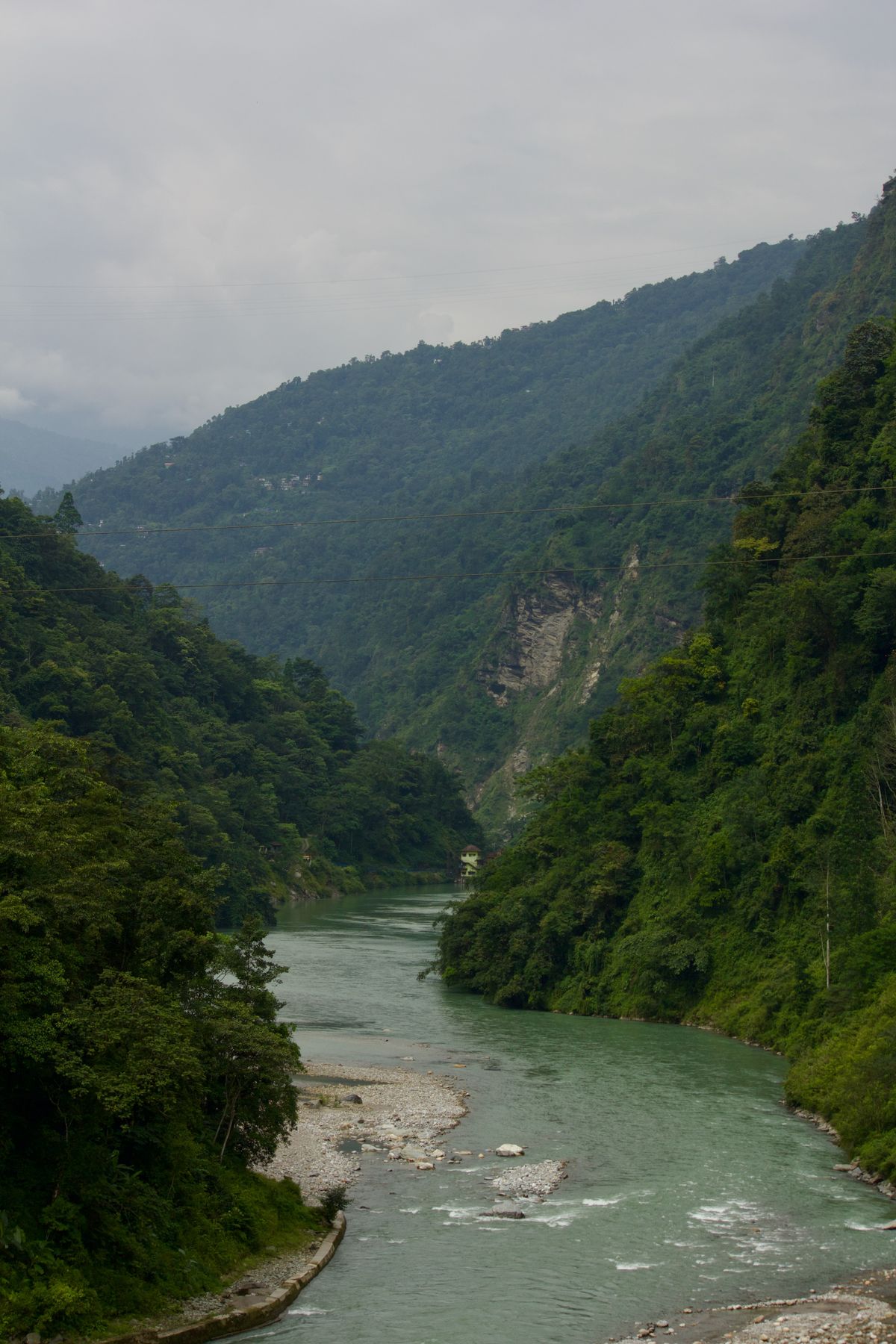
There is a myth that you must sleep high to see the mountain. You do not. Glenburn's bungalows stand near 985 m, a full kilometre lower than Darjeeling town itself at 2,045 m, and all four suites in the Water Lily bungalow face the Kanchenjunga range directly, so the range arrives at first light through the window beside the bed. Chia Kutir, four hundred metres higher, faces its own valley instead. What altitude really decides is the cup, since the higher, slower-growing bushes give the lighter and more aromatic teas the district sells itself on. Warmth is the other trade: Glenburn's own guidance is that its nights do not drop below 7 °C, while Darjeeling town, up on its ridge, averages under 2 °C at night in January. What each month does to the sky is set out in when to go.
At Glenburn: any Water Lily suite for the range, Singalila if you want the dawn from the bed, Camellia if you need a true twin, since it is the estate's only one, and a Burra Bungalow suite such as the Planters' if you would rather not climb, since those open off the main verandah. At Chia Kutir: a valley-view room on one floor near the lift. We ask for these by name, we ask the house for its step count against your own dates instead of printing a number here, and we tell you if the answer is no.
A day on the estate
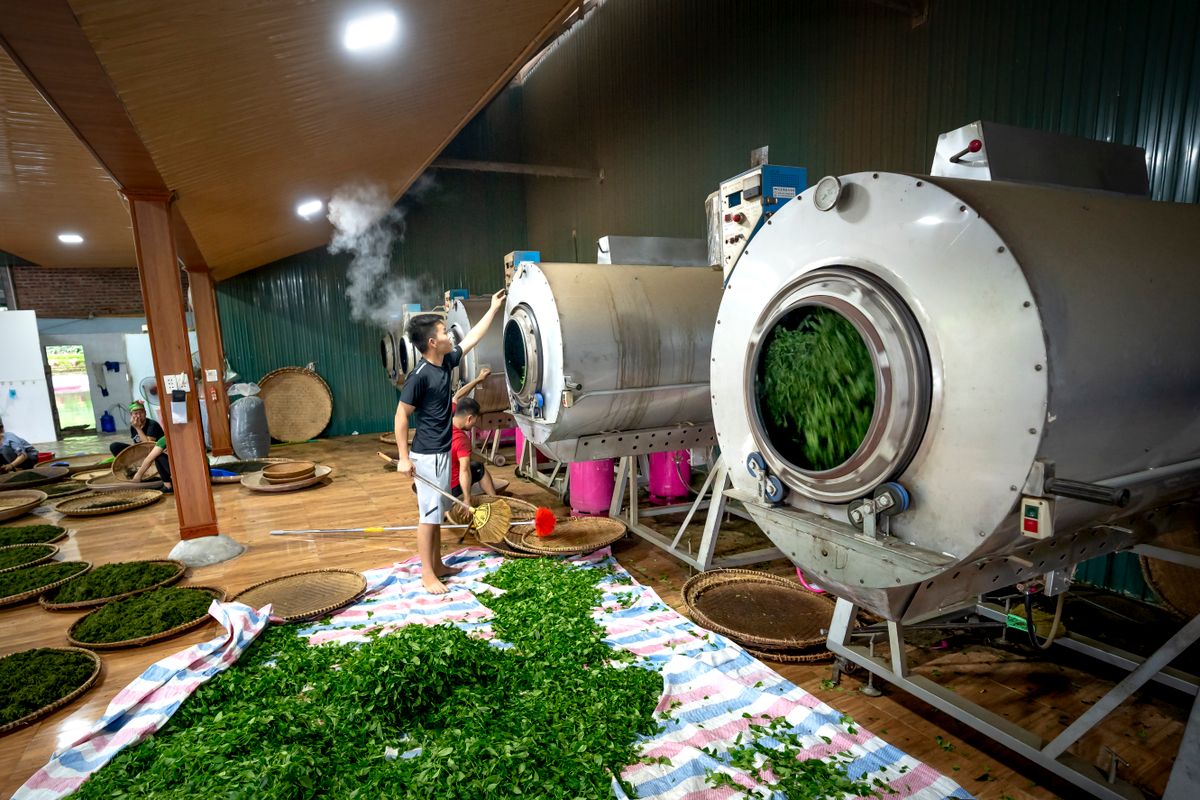
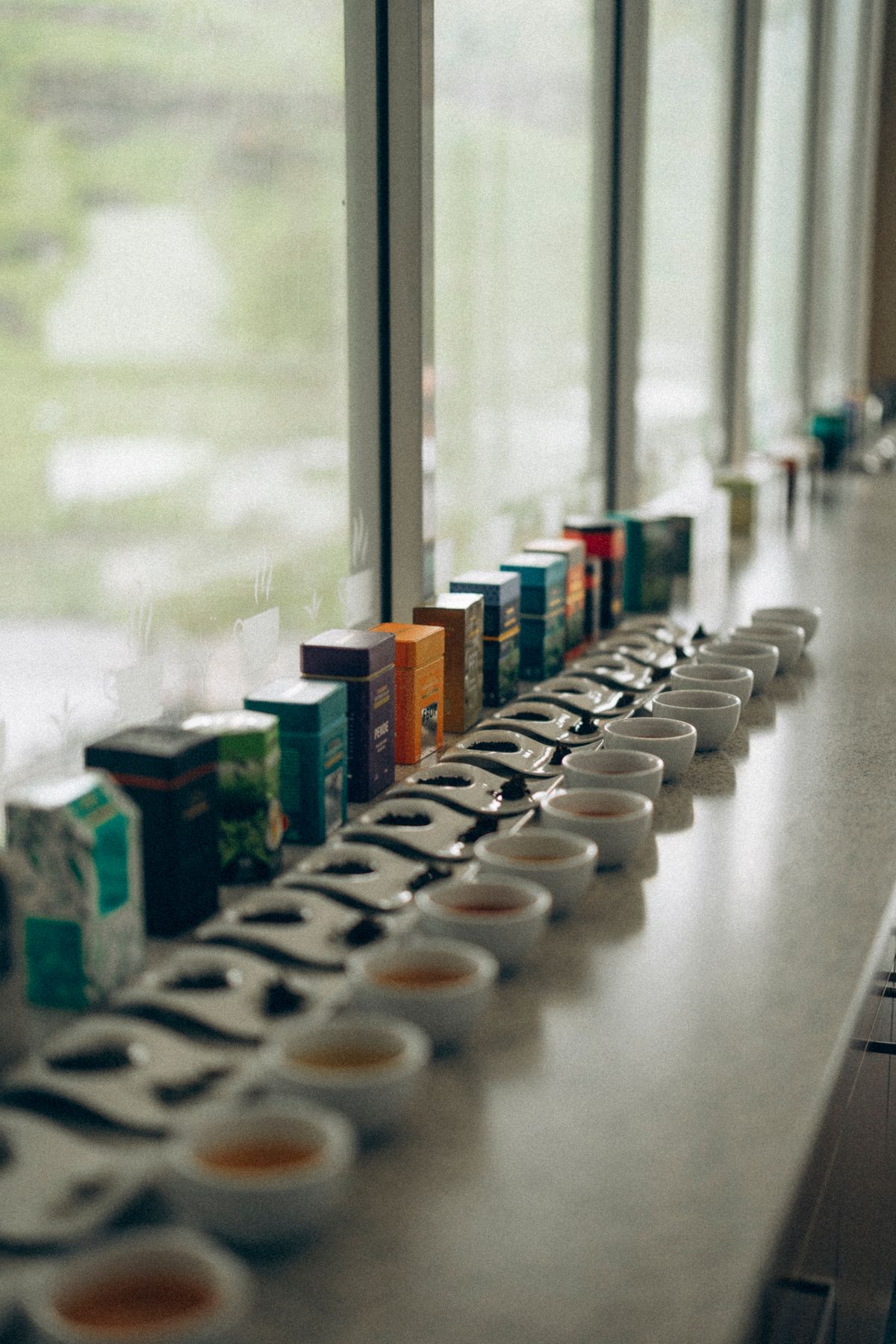
The shape is the same on every garden, and the leaf sets it. A tray of tea reaches your door at whatever hour you named the night before. Breakfast is early because the factory works in the morning: yesterday afternoon's leaf has been withering overnight, and the rollers start after it. So the factory comes first, between about 08:00 and 09:30, and a tasting closes that hour. We keep the full stage-by-stage walk through a working factory for The Planter's Week, built around two of them.
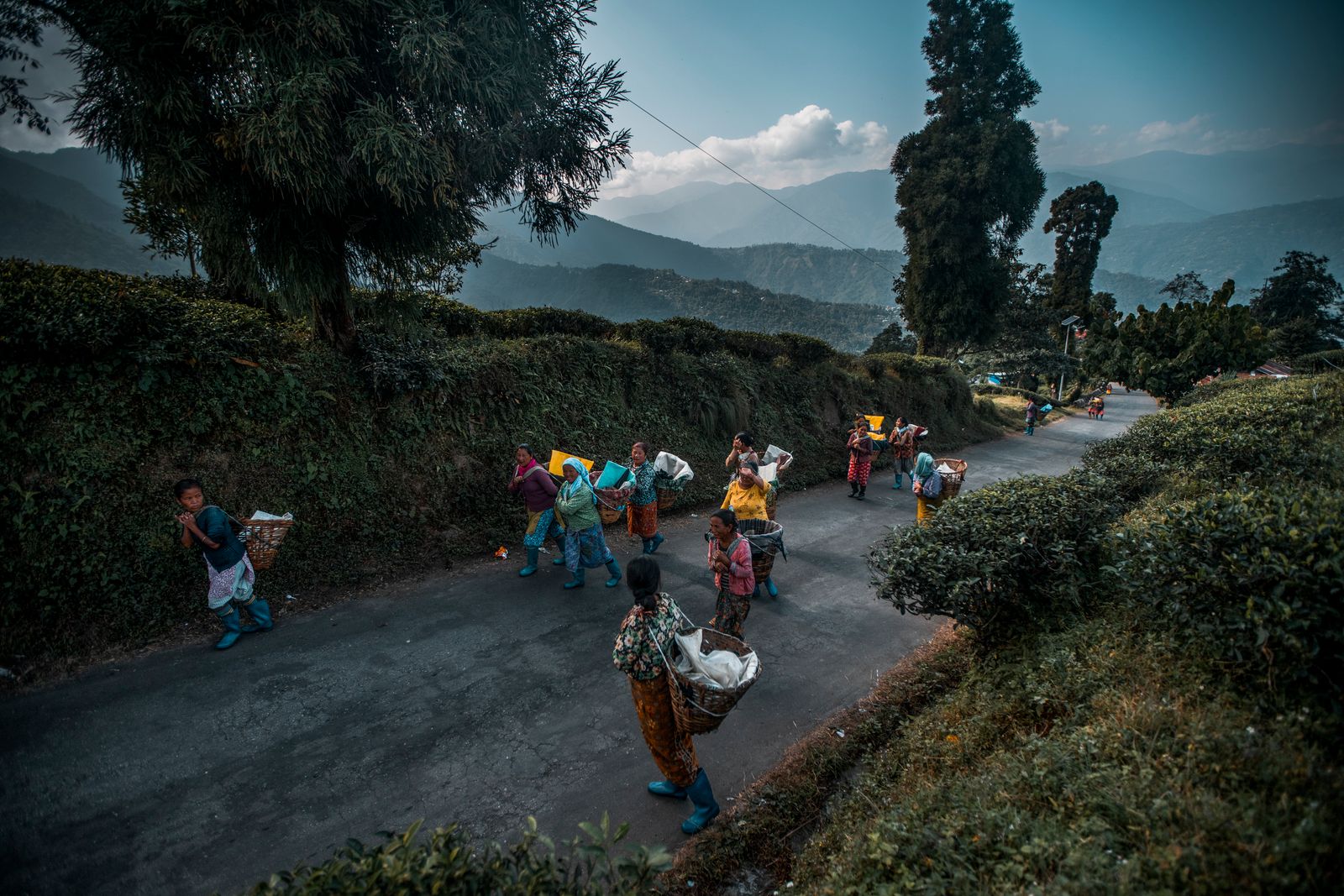
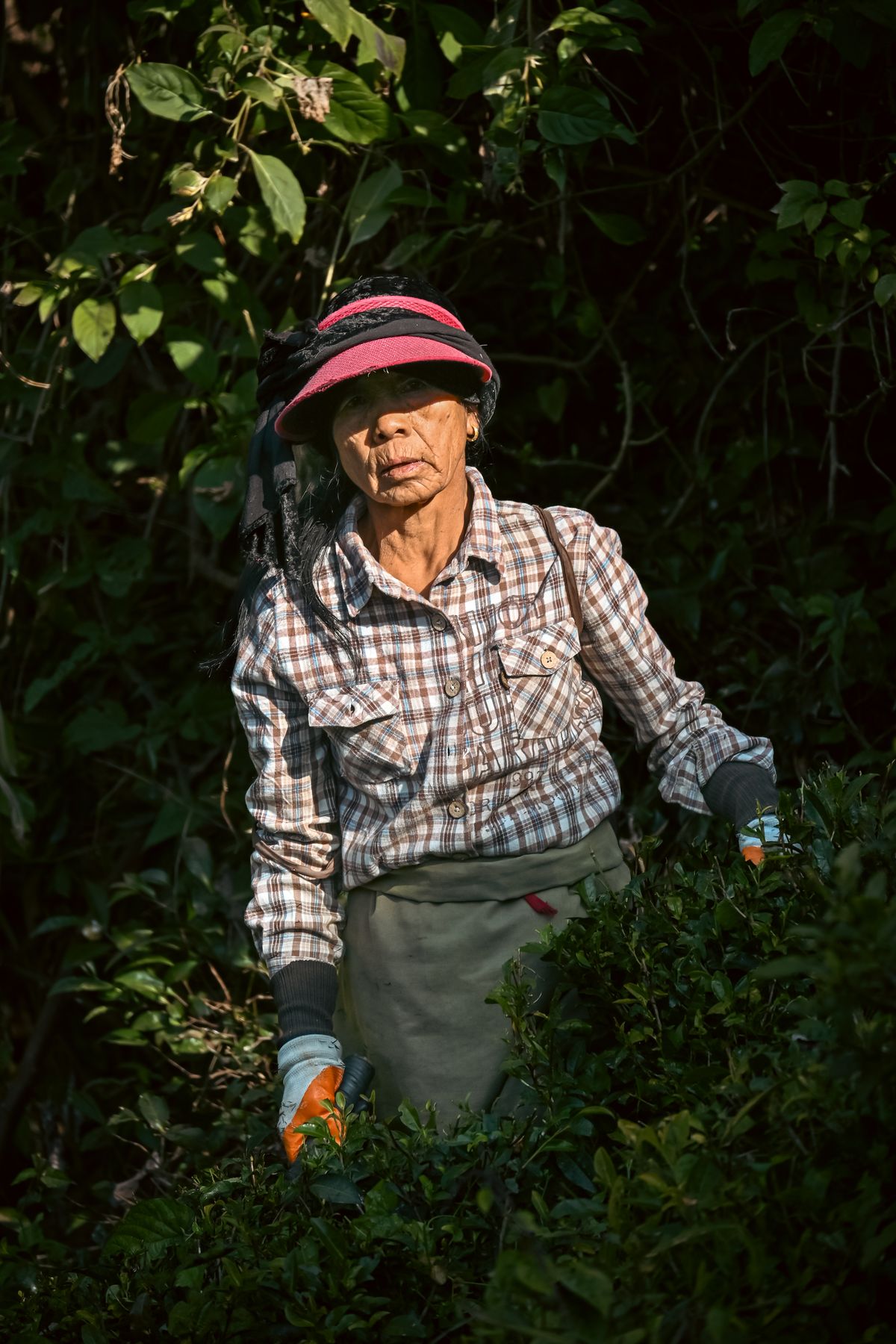
From mid morning the day is yours, and the best of it is downhill. A guide walks you into whichever section is being plucked and one of the women shows you what she takes: the bud and the two leaves under it, snapped away and flicked into the basket on her back faster than you can follow. Stay as long as you like. Somewhere on the slope a tray appears with the estate's lemonade. The walk ends at lunch by the river, or under cover when the water is high.
The afternoon is a verandah and a pot of tea, or a massage, or the kitchen garden if you want to pick what goes into dinner. Dinner is at one long table by candlelight, and if you would rather eat alone on your own verandah you say so and it happens. Two clear evenings in, most guests stop reaching for their phones, which is partly the place and partly the Wi-Fi.
Which month, and what you will see
This is the fact that decides your dates. Glenburn makes tea from the end of February to the end of November, and the other gardens keep much the same calendar; which flush falls in which weeks is set out in the note on buying tea. From December to early February nothing is plucked, the bushes are pruned and the machines stand still. The house still runs, and Glenburn still shows you the factory and pours a tasting in those weeks, so a winter stay is a fair thing to sell as long as nobody has been promised leaf going through the rollers. For the sky rather than the leaf, the clearest stretch is mid October to mid December; the month-by-month reading is in our note on Kanchenjunga.
What an estate does not give you
We would rather you heard this from us than found it out on the second night. Glenburn has no televisions, the Wi-Fi covers some rooms and not others, and mobile signal is the thing that actually works. Nor is there a cash machine: the closest sit in Darjeeling, 75 minutes up the hill, so carry notes for tips. There is one kitchen, so dinner is agreed with you in the morning rather than chosen from a card at eight. And an estate is a workplace: tractors, a weighment shed, staff quarters, the smell of firing leaf on the wind. Anyone who wants a concierge, a lift and four places to eat should take Chia Kutir and visit a garden by day.
Children, knees and the jeep track
The last stretch to a bungalow is often a rough private track, roughly fifteen minutes of it at Glenburn, and the walks go downhill with a jeep waiting at the bottom. That combination suits most people and not everyone. If knees or hips are the question, Chia Kutir is the answer: its own listings show a lift and routes without steps, the pool is reached by the hotel shuttle rather than on foot, and Bagdogra and Siliguri are about 1 hour 10 minutes below. If you have a child under five, a large resort with a heated pool will give you a better week than eight suites and a long candlelit dinner. Children who walk do very well on an estate, where there are streams, crabs under the stones, butterflies and a factory that looks like a machine room in a story. On altitude, steps and what we check before you arrive, see before you travel.
What it costs, and how long to stay
Glenburn publishes its own tariff: ₹48,500 plus 18 per cent GST, so ₹57,230 a night for a suite for two, full board, including the car from Bagdogra and back, the factory tour, the tasting and the guided walks. When we read that page on 20 September 2026 it still carried dates from October 2023 to September 2024, so we re-check the rate with the estate before we quote and your quote carries the date we checked. Built into a private journey, two nights at Glenburn start at ₹75,000 per person on Two Nights on a Tea Estate, a week on the same estate at ₹2,65,000 on One Estate, Seven Days, two gardens and Darjeeling at ₹1,80,000 on The Planter's Week, and two states of tea at ₹1,55,000 on The Tea Trail. Where the money goes is broken down in what it costs.
Two nights give you one whole day, which is enough for the factory, the fields and the river. Three is better, because one dawn can be cloud and the second usually is not. A week only works on a garden with enough to walk to, which is why we sell it at Glenburn and nowhere else. How far ahead to ask is in how it works. Tell us what you want from a house, and the month you can get away, and we will say which of the three we would put you in, and why. If none of them fits, we will say that too.
Sources we checked for this note (13)
- Glenburn Tea Estate tariff: ₹48,500 plus 18% GST per room for two on double or twin occupancy, all meals and picnics, chauffeur-driven car from Bagdogra, personal estate and factory tours and a tea tasting, nature and bird walks; the page still showed validity dates of 1 October 2023 to 30 September 2024 when read on 20 September 2026
- Glenburn makes tea from the end of February (first flush) through the second flush and rain teas to the end of November (autumn flush); no plucking from December to early February, when factory tours and tastings still run; night temperatures at Glenburn do not drop below 7 °C in winter (read 20 September 2026)
- The Camellia Suite in the Water Lily Bungalow is the estate's only pure twin, with a pair of antique single beds and a balcony facing Kanchenjunga
- Water Lily Bungalow suites (Camellia, Rangeet, Rung Dung and Singalila) all have direct mountain views; Burra Bungalow suites have private garden entrances onto the main verandah; eight suites in the two bungalows
- Glenburn described as an eight-room hotel on a working plantation, suites of about 45 sq m
- Taj Chia Kutir Resort & Spa, Darjeeling: 73 rooms and suites in the Makaibari tea garden at Kurseong, J Wellness Circle spa and a temperature-controlled indoor pool; property listed as operating with 2026 guest reviews (checked 20 September 2026)
- Makaibari: factory commissioned in 1859, the first in Darjeeling district; the first garden certified fully organic, in 1988; about 1,500 m near Kurseong, tea on 120 of 670 hectares; homestay programme run by estate worker families
- Makaibari lies about 3 km from Kurseong and runs factory tours and tastings
- Cochrane Place, 132 Pankhabari Road, Fatak, Kurseong: 31 rooms in the former home of Percy John Cochrane, magistrate of Kurseong, overlooking Makaibari and a few yards from Castleton
- Castleton and Ambootia estates do not offer public factory tours; Makaibari lies near Kurseong
- The Tea Board of India recognises 87 tea estates as Darjeeling producers on slopes between 600 and 2,000 m; first flush, second flush, monsoon and autumn flush character
- Darjeeling at 2,045 m; IMD climate normals 1991 to 2020 give a January mean minimum of 1.7 °C and a December mean minimum of 3.5 °C, which the site states as under 2 °C in January
- Road distances by OSRM, September 2026: Bagdogra to Makaibari about 41 km, Glenburn to Darjeeling 28 km, Darjeeling to Bagdogra 70 km
Checked September 2026.