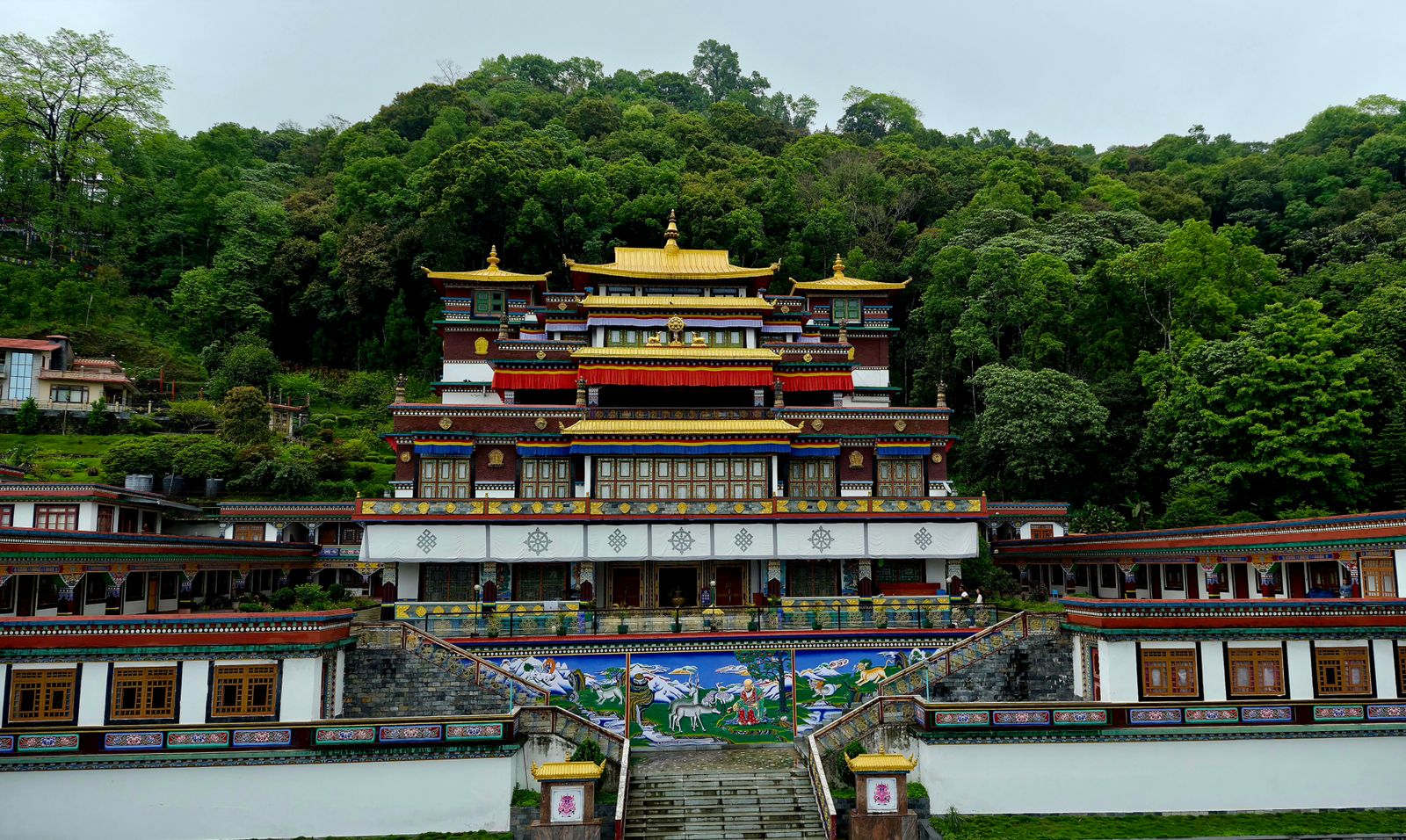
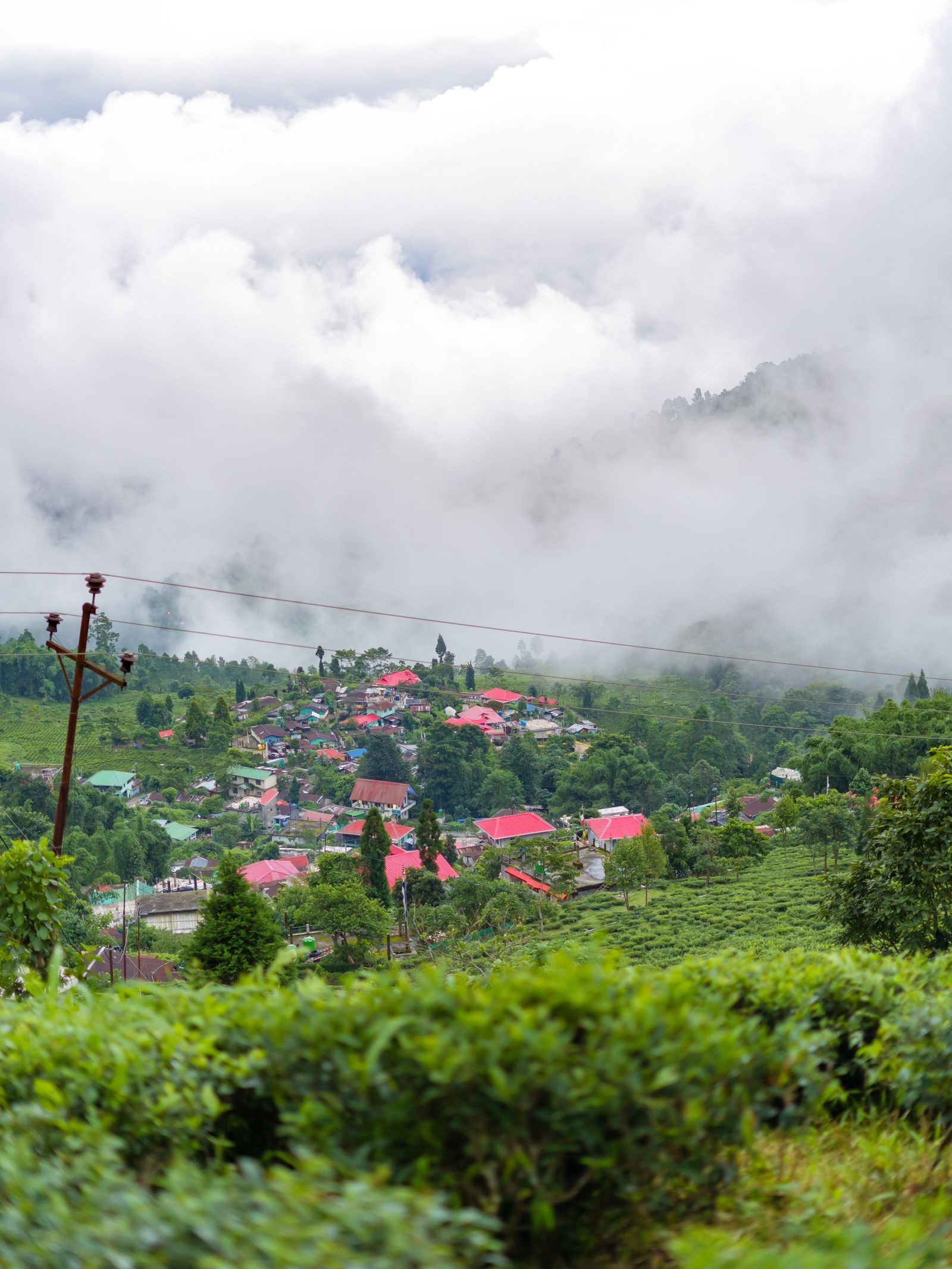
In short
The Lepchas were here first and call this country Mayel Lyang. Bhutia families came from Tibet, Limbu families farm the western hills, Tibetans arrived after 1959, and most people you meet are Gorkhas: Indian citizens whose first language is Nepali, which is the common tongue of all of them.
In one day between Darjeeling and Gangtok you will hear five or six languages and pass four calendars. Our destination pages introduce the people of their own ridge. This note is the whole picture in one place, written for the car rather than the museum case. We grew up in these hills. Here is how we explain it on the road.
Who is who, in one table
| Community | Came from, and when | Own language | Where you meet them on a journey |
|---|---|---|---|
| Lepcha | Here first; about 76,900 in India | Lepcha, written in the Rong script | Kalimpong, Dzongu in North Sikkim, the old names of Kurseong and Mirik |
| Bhutia | Tibet, in numbers from the 13th century | Sikkimese, or Denjongke | Sikkim's monasteries, the high villages, the Tibetan shops of Kalimpong |
| Limbu | The western hills; about 60,000 in Sikkim | Limbu, written in the Sirijanga script | West Sikkim farms below Pelling and Yuksom |
| Gorkha | Nepal's hills, from the 1830s onwards for the roads and then the tea | Nepali, plus Rai, Tamang, Gurung, Newar and more | Everywhere: the gardens, the bazaars, the kitchens, the wheel of your car |
| Tibetan | Tibet, in numbers after 1959 | Tibetan | Lebong in Darjeeling, Kalimpong's monasteries, Gangtok's institute |
Most people you meet in these hills are Gorkhas: Indian citizens whose first language is Nepali. They are not Nepalese, who are citizens of Nepal, and the difference is not a nicety. Under the 1950 treaty between India and Nepal, each country's nationals may live and work in the other, and the confusion that follows has left Indian Gorkhas asked to prove they are not foreigners at home. So do not call an Indian Gorkha Nepalese, and do not ask when the family came from Nepal. Ask which village the family is from, and you will get a long and happy answer.
The Lepcha, who were here first
The Lepcha call themselves Rongkup, or in full Mutanchi Rongkup Rumkup, the beloved children of the Rong and of God. Their language is Tibeto-Burman and has its own alphabet, the Rong script, worked out between the seventeenth and eighteenth centuries, possibly by a Lepcha scholar named Thikung Munsulong. Most Lepchas are Buddhist; some still keep Mun, the older practice whose mun and bongthing speak with the land; many families in Kalimpong are Christian. Kanchenjunga is the guardian, and on its slopes lies Mayel Lyang, the hidden land the Lepcha come from and return to.
You meet all this without leaving the road. Kalimpong, Kurseong and Mirik all carry Lepcha names, as our note on the quieter places says, and Kalimpong's Lepcha Museum is one man's lifetime collection rather than a state display, so we give it an hour, not fifteen minutes. In North Sikkim, Dzongu was set aside as a Lepcha reserve in 1960 and still needs a permit, even for Sikkimese from outside it; permits and visas sets out who needs what. Tendong Lho Rum Faat, kept on 8 August, thanks the hill that rose above a flood.

The Bhutia, and the oath at Kabi
Bhutia families came south from Tibet, in small numbers for centuries and in larger ones from the thirteenth, with the clans of Khye Bumsa. They speak Sikkimese, Denjongke, which is closer to Bhutan's Dzongkha than to the Tibetan of Lhasa, and they follow the Nyingma and Kagyu schools. The 2011 census counted 41,889 Sikkimese speakers in the state.
The stone pillars at Kabi Lungchok, north of Gangtok, mark an oath of blood brotherhood sworn between Khye Bumsa and the Lepcha chief Thekong Tek; our Gangtok page tells it and gives the festival that keeps it. Know it before you step into a monastery courtyard in Sikkim, because it changes what you see: the state's Buddhism is not an import laid over the Lepcha, it is a treaty with them.
Sikkim's law still reads that way. Twelve of the thirty-two seats in its assembly are reserved for the Bhutia and Lepcha communities. One more, the Sangha, is voted for only by monks and nuns registered with the state's 111 recognised monasteries: it was created in 1958 for the kingdom's own state council and carried into the Indian assembly.
The Limbu, and the tongba you will be handed
The Limbu call themselves Yakthung and their old country Limbuwan, the eastern hills either side of the border. Their language has its own alphabet, the Sirijanga script, and their scripture is the Mundhum, held in memory rather than in print, recited by phedangma priests. The 2011 census counted about 60,000 Limbus in Sikkim, most of them farming the western hills below Pelling and Yuksom.
The welcome you are likely to meet is a millet brew, and the words matter: Limbus call the drink thee, and tongba is the tall wooden vessel it comes in, though visitors use the one word for both. Our West Sikkim page has how it is made and what else the table brings.

The Gorkhas, who are most of the hills
Nepali is the lingua franca of these ridges and the first language of every Gorkha family, and official as well: the West Bengal Official Language Act of 1961 gave it standing beside Bengali in the hill subdivisions of Darjeeling, Kalimpong and Kurseong, and in Sikkim 62.6 per cent of people speak it. Gorkha is not one people but many, among them the Rai, Limbu, Tamang, Gurung, Magar, Newar, Sherpa, Sunuwar and Thami, and the Khas families, Bahun, Chhetri and Thakuri. That breadth has a cost: since the 1960s speakers of Rai, Limbu, Lepcha and Magar have shifted to Nepali, and many households no longer hold the older tongue.
What they do hold is the literature. Nepali was written into the Eighth Schedule of the Indian Constitution by the Seventy-first Amendment, passed on 20 August 1992 and assented to on 31 August that year, after a campaign fought hardest from Darjeeling. Bhanu Jayanti, the birthday of the poet whose golden statue stands on Chowrasta, is kept in the square every 13 July by a literary society founded in the town in 1924. Ask your guide to read you four lines and translate them; it takes two minutes.
The Tibetans, after 1959
Tibetans traded in Kalimpong long before exile, when the town was Tibet's harbour and the Jelep La was open; the refugees came after 1959. The Tibetan Refugee Self Help Centre opened at Lebong below Darjeeling on 2 October 1959 and is still a working craft centre rather than a monument: our Darjeeling page sets out that visit. Gangtok's Namgyal Institute of Tibetology dates from 1958, when Sikkim was still a kingdom, and its library of Tibetan manuscripts is why scholars still come. Losar, the Tibetan new year, is the day to be in a courtyard.
The Scots, the schools and the church bells
The fourth layer is Presbyterian, and it is two buildings that guidebooks run together. Macfarlane Memorial Church stands in Kalimpong town, Gothic, with a pinnacled tower and a rose window: its foundation stone was laid on 24 February 1890 and it opened on 1 November 1891, built under the missionary William Sutherland and named for William Macfarlane, the first to reach the town. Its services are in Nepali. Dr Graham's Homes is separate and later: John Anderson Graham arrived in 1889 and opened St Andrew's Colonial Homes on 24 September 1900 with six children; the school took his name in 1947, and the chapel on its own hillside is the Katherine Graham Memorial Chapel, finished in 1925. In Darjeeling town the 2011 census counted 5.1 per cent Christian beside 66.5 per cent Hindu, 23.9 per cent Buddhist and 3.9 per cent Muslim, which is why carols in December and prayer flags in February belong to the same streets.

And the gardens below, which are not the same people
One correction we make often. The tea gardens of the Darjeeling hills are worked by Nepali-speaking Gorkha families. The Dooars, the flat belt east of the Teesta, is different country: its tea began in 1874, worked by Adivasi families recruited from the Chhotanagpur plateau and the Santhal Parganas, so the names on those rolls are Oraon, Munda and Santhal and the languages are not Nepali. Rhinos and Tea puts you among Dooars bushes on the way up and inside a Darjeeling factory two days later.
A word in each language, and the two you will use most
| Language | Say | To whom | Where it is at home |
|---|---|---|---|
| Nepali | Namaste | Anyone, anywhere in these hills | Darjeeling |
| Lepcha | Khamri | A Lepcha host in Kalimpong or Dzongu | Kalimpong |
| Limbu | Sewaro | A Limbu household in the western hills, on arrival | Pelling and West Sikkim |
| Sikkimese and Tibetan | Tashi delek | In a monastery, and at Losar | Gangtok and East Sikkim |
Two words carry further than any of these, and they show how far Nepali reaches. Didi and dai, elder sister and elder brother, are Nepali kinship terms, yet a Lepcha, Bhutia or Limbu household will use them with you as readily as a Gorkha one. The manners that go with them are on our before you travel page.
Four new years, and how to land on one
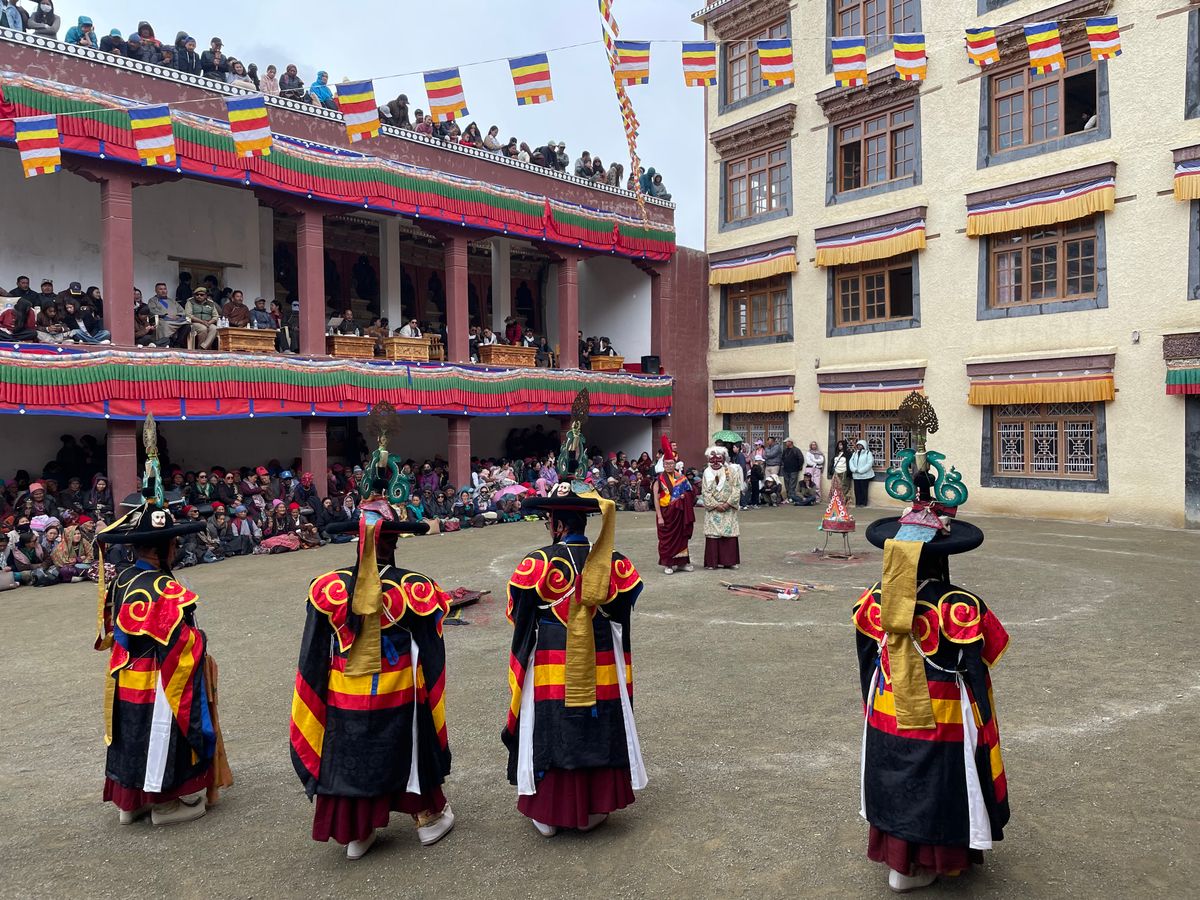
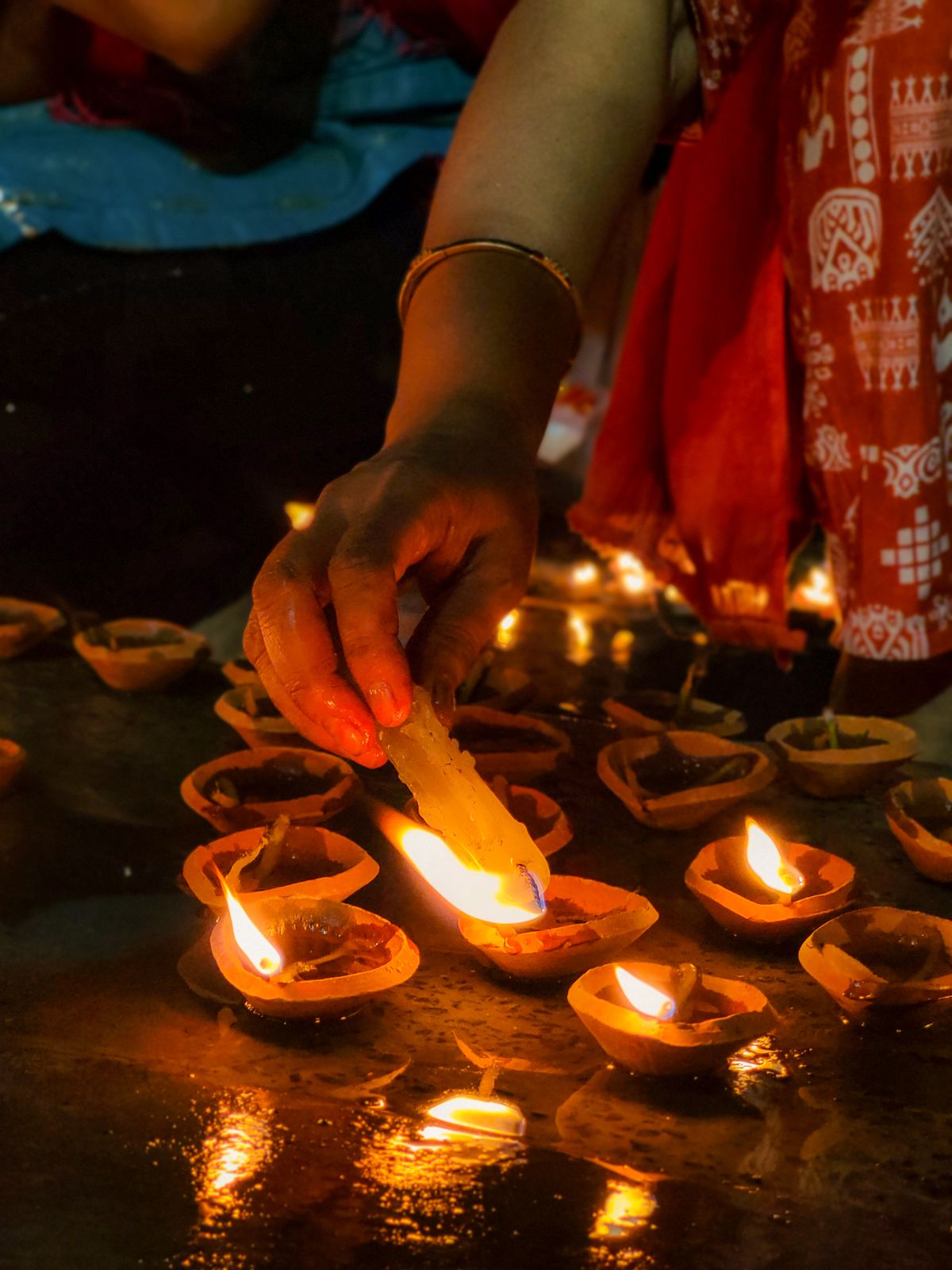
These hills keep more than one turn of the year, so the date you choose decides what you see. Losar, the Tibetan new year, usually falls in February or early March. Losoong, the Bhutia new year, comes in December, with the Kagyed masked dances closing the old year just before it. Chasok Tangnam is the Limbu thanksgiving on the Mangsir full moon. Dashain and Tihar are the two the whole hillside keeps. All move with the lunar calendars, so we check each against your month before you fix flights. The full calendar is on our when to go page.
Journeys that meet these lives, not a display of them
- Lights of Tihar: five nights inside Tihar, three in Darjeeling and two in Kalimpong, with Deusi singers at the gate and Bhai Tika on the last day. From ₹1,10,000 per person, twin share.
- Monasteries of the East: seven nights across Sikkim, from Rumtek and Enchey to Tashiding, Pemayangtse and the walk up to Dubdi. From ₹1,40,000 per person, twin share.
- The Quiet Ridge: three nights in Kalimpong, where the Lepcha Museum, the growers and Dr Graham's Homes sit within a few miles of each other. From ₹60,000 per person, twin share.
What people eat is the other half of this, and it has a note of its own: what we eat at home in the hills. If a community here is the reason you are coming, tell us which, and we will build the week round a day that is really theirs, with a guide from it. How far ahead to book is on our planning page.
Sources we checked for this note (19)
- Lepcha: 76,871 in India at the 2011 census; self-name Rongkup and Mutanchi Rongkup Rumkup, 'beloved children of the Rong and of God'; a Tibeto-Burman language written in the Rong or Lepcha script, developed between the 17th and 18th centuries, possibly by a Lepcha scholar named Thikung Munsulong; mostly Buddhist, with Mun kept alongside and Christianity also followed; tandong lho rumfat (checked 20 September 2026)
- Mayel Lyang, the Lepcha hidden land on the slopes of Khangchendzonga, and the mountain as guardian deity among the Lepcha and the Lhopo (Bhutia) (checked 20 September 2026)
- Dzongu in North Sikkim declared a Lepcha reserve in 1960 by Chogyal Palden Thondup Namgyal; a permit is required to enter, including for Sikkimese from outside it (checked 20 September 2026)
- Bhutia: migration from Tibet in small numbers since the 8th century and in greater numbers from the 13th with Khye Bumsa; Denjongke 65 per cent lexically similar to Dzongkha and 42 per cent to standard Tibetan; Nyingma and Kagyu schools; 41,889 speakers in Sikkim at the 2011 census. (checked 20 September 2026)
- Kabi Lungchok: the blood-brotherhood treaty sworn by Khye Bumsa and the Lepcha chief Thekong Tek and marked with stone pillars; Pang Lhabsol kept on the 15th day of the 7th month with Kanchenjunga as witness (checked 20 September 2026)
- Sikkim's twelve official languages with English added (Nepali as the working language, then Sikkimese, Lepcha, Limbu, Newar, Rai, Gurung, Magar, Sherpa, Tamang, Sunwar and Bhujel); Sikkim became the 22nd state of India on 16 May 1975 (checked 20 September 2026)
- Sangha constituency: seat 32 of Sikkim's 32 assembly seats, contested and voted only by monks and nuns registered with the state's 111 recognised monasteries; created in 1958 for the Sikkim State Council (checked 20 September 2026)
- Twelve of the 32 Sikkim assembly seats reserved for the Bhutia-Lepcha community and two for Scheduled Castes (checked 20 September 2026)
- Limbu: self-name Yakthung, homeland Limbuwan; the Sirijanga or Yakthung script; the Mundhum as scripture and phedangma priests; about 60,000 Limbus in Sikkim at the 2011 census; Chasok Tangnam the harvest festival; tongba offered in welcome (checked 20 September 2026)
- Indian Gorkhas: an Indian ethno-cultural group whose common language is Nepali; Nepali speakers 62.6 per cent of Sikkim, the only Indian state with such a majority; component groups include Tamang, Gurung, Magar, Rai, Newar, Sherpa and Thami as well as the Khas Bahun, Chhetri and Thakuri; the 1950 Indo-Nepal treaty allows each country's nationals to live, own property and trade in the other, which is the root of the identity problem (checked 20 September 2026)
- Nepali added to the Eighth Schedule of the Constitution by the Constitution (Seventy-first Amendment) Act, 1992, passed on 20 August 1992 and assented to on 31 August 1992 (checked 20 September 2026)
- Darjeeling: Nepali the lingua franca of Darjeeling and the first language of all Gorkhas; Rai, Limbu, Tamang, Gurung, Newar, Sherpa, Yakkha, Sunuwar and Dhimal among the groups; rapid shift to Nepali since the 1960s; 2011 census religion figures for Darjeeling municipality, the town itself: Hindu 66.51, Buddhist 23.9, Christian 5.1 and Muslim 3.9 per cent (checked 20 September 2026)
- Tibetan Refugee Self Help Centre opened at Lebong on 2 October 1959; about 130 Tibetan families live and work there; carpets, thangkas and leather boots (checked 20 September 2026)
- Dr Graham's Homes: John Anderson Graham arrived in Kalimpong in 1889; St Andrew's Colonial Homes opened on 24 September 1900 with six children; renamed Dr Graham's Homes in 1947; the Katherine Graham Memorial Chapel was completed in 1925 and dedicated on the Homes' silver jubilee (checked 20 September 2026)
- Macfarlane Memorial Church, Kalimpong town: foundation stone 24 February 1890, opened 1 November 1891, built under the supervision of the Scottish missionary William Sutherland and named for the Rev William Macfarlane, the first missionary to come to Kalimpong; near the heart of town (checked 20 September 2026)
- Dooars tea from 1874, worked by Adivasi labour recruited from the Chhotanagpur plateau and the Santhal Parganas, Oraon and Santhal among the communities (checked 20 September 2026)
- Site data: Tendong Lho Rum Faat on 8 August, and Losoong 2026 from 9 to 13 December with the Kagyed masked dances at Tsuklakhang and Rumtek just before it (/plan/when-to-go/ festival calendar and /destinations/gangtok-east-sikkim/); Bhanubhakta Acharya's golden statue on Chowrasta and Bhanu Jayanti on 13 July, kept by a literary society founded in the town in 1924 (/destinations/darjeeling/); Kabi Lungchok and Pang Lhabsol (/destinations/gangtok-east-sikkim/ and /destinations/pelling-west-sikkim/); Rhinos and Tea takes a Dooars garden on the way up to Kalimpong and a Darjeeling factory two days later
- West Bengal Official Language Act 1961: Bengali for state business, with Nepali also recognised for official purposes in the three hill subdivisions of Darjeeling, Kalimpong and Kurseong (checked 20 September 2026)
- Tongba is the tall vessel; the Limbu name for the brew is thee (mandokpenaa thee). Finger millet with a khesung starter, steeped in hot water and drunk through a bamboo straw at 2 to 5 per cent alcohol (checked 20 September 2026)
Checked September 2026.