In short
Kurseong sits at about 1,483 m, 32 km below Darjeeling and one to one and a half hours from Bagdogra, with the railway running down its high street. Come for working tea gardens, milder nights and a short drive up from the plane. Sleep in Darjeeling instead if Tiger Hill and the range at dawn are the point.
Most visitors meet Kurseong for twenty minutes. The car pulls in halfway up from Bagdogra, somebody buys momos or a pot of tea, the driver asks about the road ahead, and the climb to Darjeeling carries on. Four of our journeys sleep here instead, and another fourteen pass through. This note is why: what the town is, what an afternoon in it is worth, which houses we use, and an honest answer to the question guests actually send us, which is whether to stay here or press on up the hill.

Where it is, and what the height buys you
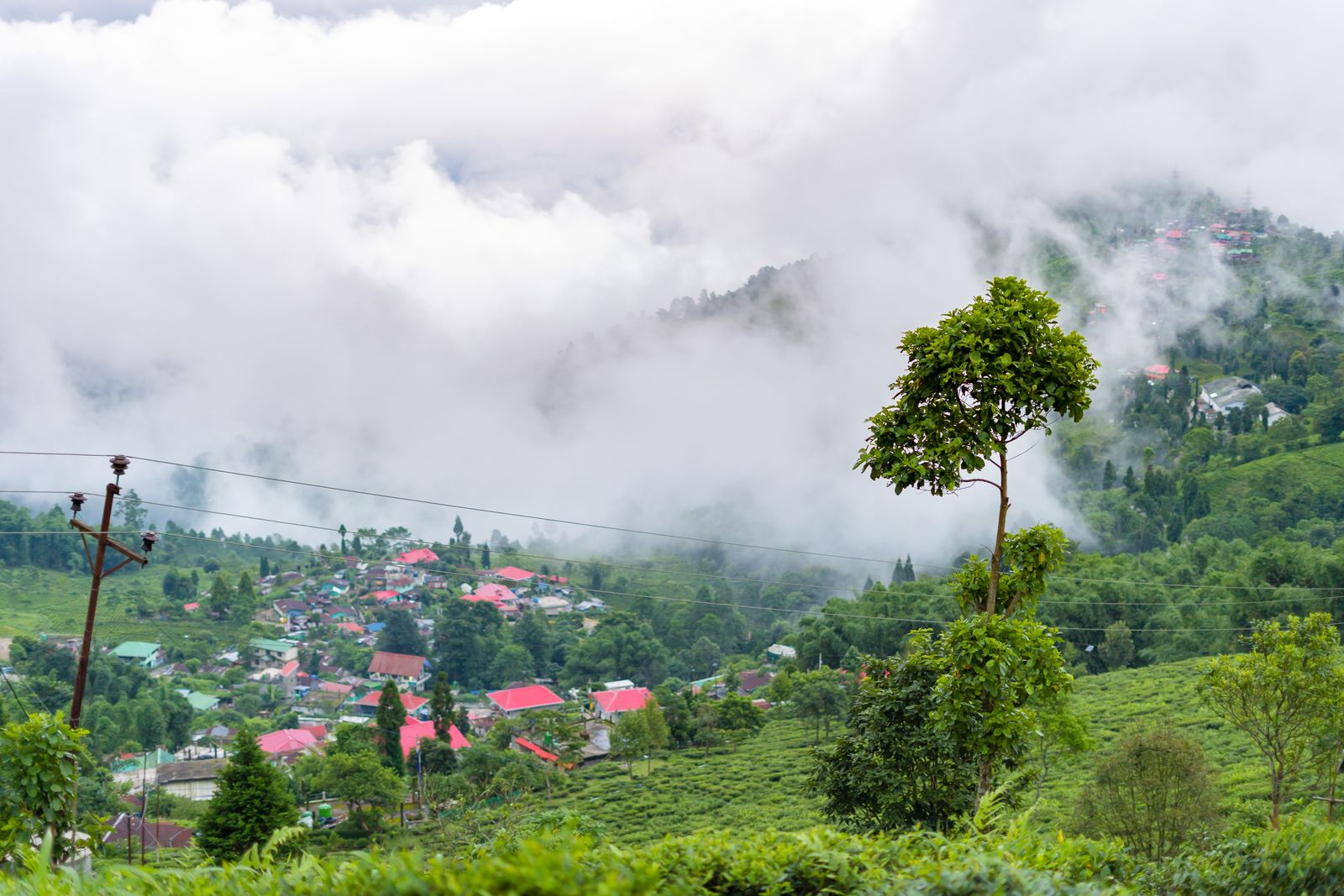
Kurseong sits at about 1,483 m, 32 km below Darjeeling and 34 km above Siliguri, on the road and the railway that both climb from the plains. The name is Lepcha. Most people here will tell you it comes from kurson-rip, a small white orchid, Coelogyne cristata, which flowers on mossy trunks in these valleys in late winter and spring. A second reading makes it a stick cut from local cane. If one of those orchids is out on a wall above the road in March, your driver will stop without being asked.
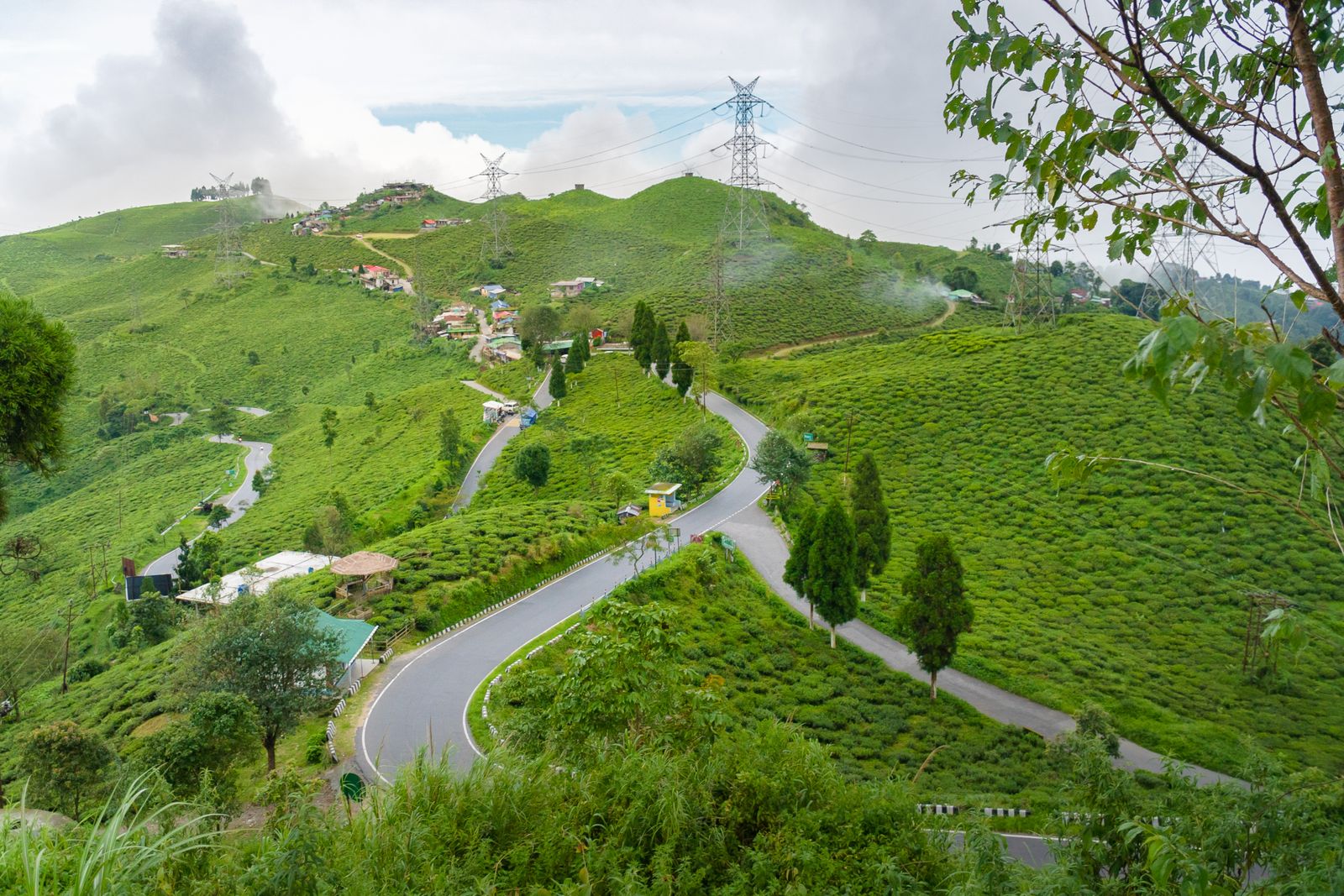
The 560 m between Kurseong and Darjeeling change three things. Nights are milder, which matters in December and January in houses with no central heating. No long-run station record for the town is published, so we quote no figure of our own: Darjeeling averages 3.5 °C at night in December, and Kurseong, that much lower, does not get that cold. The drive from the airport is one to one and a half hours rather than three, so a flight landing at two in the afternoon still leaves you a first evening rather than a headlamp arrival. And the gardens begin at the edge of the town rather than an hour below it: this is tea country at working height, not a hill station with tea somewhere underneath. Drive times for every route up are on getting here.
Kurseong or Darjeeling, honestly
We are asked this most by families, and by anyone travelling with a parent who dislikes hairpins.
| Kurseong | Darjeeling | |
|---|---|---|
| Drive up from Bagdogra | 1 to 1.5 hours | About 3 hours |
| Height | About 1,483 m | 2,045 m |
| December nights | Milder by 560 m of height; no station figure published | 3 to 4 °C, fires and hot-water bottles |
| Kanchenjunga | Far off from Eagle's Crag on a clear morning | Over the rooftops from the Mall |
| Tiger Hill at dawn | Over an hour of driving before the climb | 11 km, a 04:00 start |
| Tea gardens | At the edge of town, several within 20 minutes | Happy Valley in town, the big estates an hour or more below |
| Evenings | A bazaar, a few tea rooms, quiet by nine | Chowrasta, Glenary's, the Mall after dark |
| We suggest it for | First and last nights, families, grandparents, tea | First visits, mountain mornings, four nights or more |
Sleep the first night in Kurseong and climb the rest of the way in the morning. Three hours of bends straight after a flight is the commonest reason a first day goes wrong, and Kurseong halves it. On the way home the same move turns a drive to the airport in the dark into a proper breakfast.
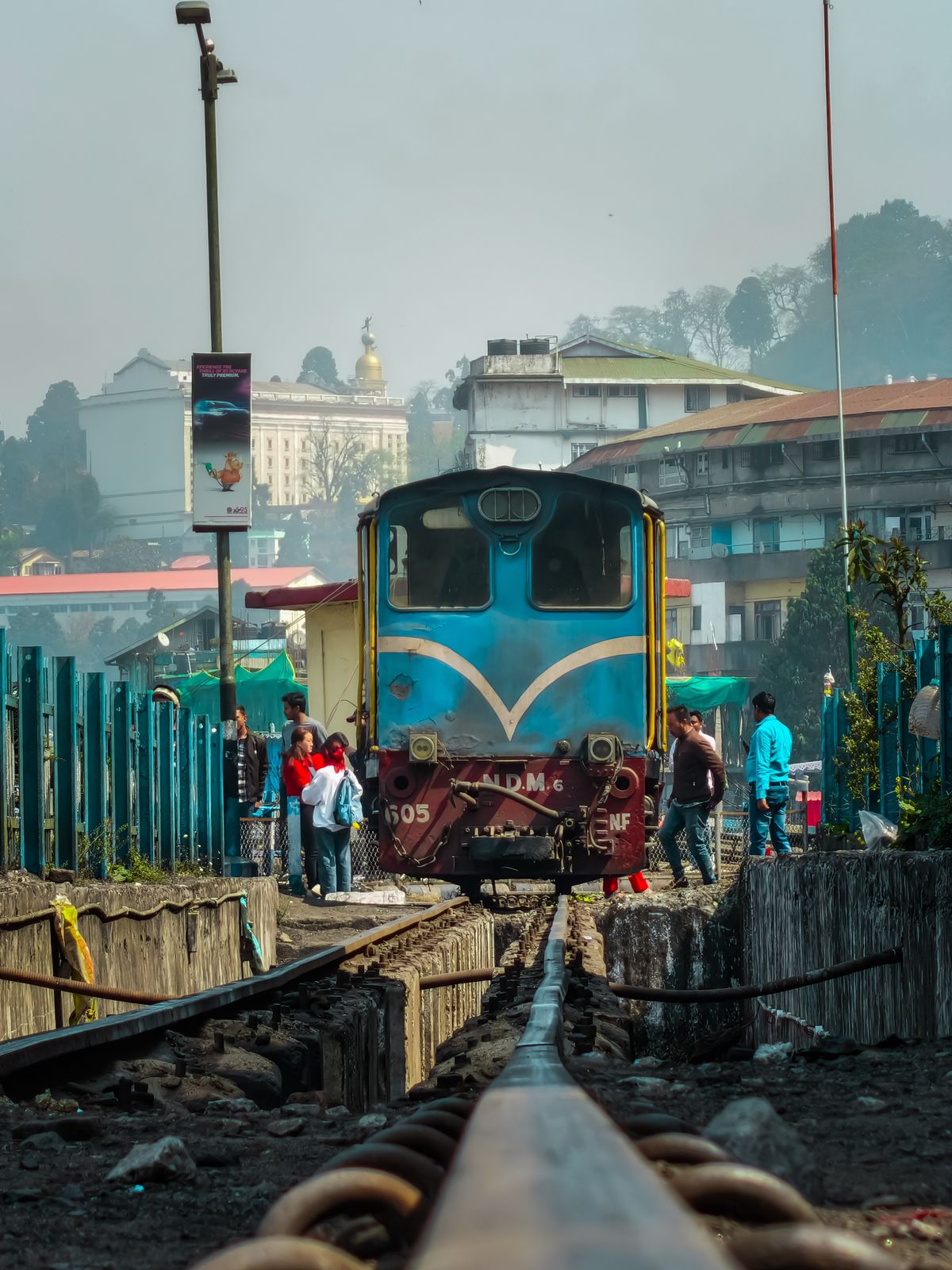
The railway runs down the high street
The station is the middle of the town, not something at its edge, and the two-foot track runs close enough to the shopfronts that awnings almost brush the carriages. The best hour here is early. Train 52587, the local passenger, leaves Kurseong at 06:30 and climbs 29 km to Darjeeling in 2 hours 35 minutes, calling at Tung at 07:03 and Sonada at 07:46, reaching Ghum, the highest station on the line, at 08:30, and Darjeeling at 09:05. There are first-class and second-seating carriages; first class is worth the window. This is a working train, used by school children and traders, not a joy ride, which is most of its charm.
Two warnings. The railway cancels services after heavy rain and for track work, so we ring the station the evening before and drive you up beside the line if it is off. And the return working, 52588, leaves Darjeeling at 16:00 and reaches Kurseong at 18:30, which is a long afternoon to plan around unless a car is coming for you. The steam charters, the Batasia loop and the joy rides belong to The Toy Train Weekend, which sleeps here for exactly this train.
Muscatel country
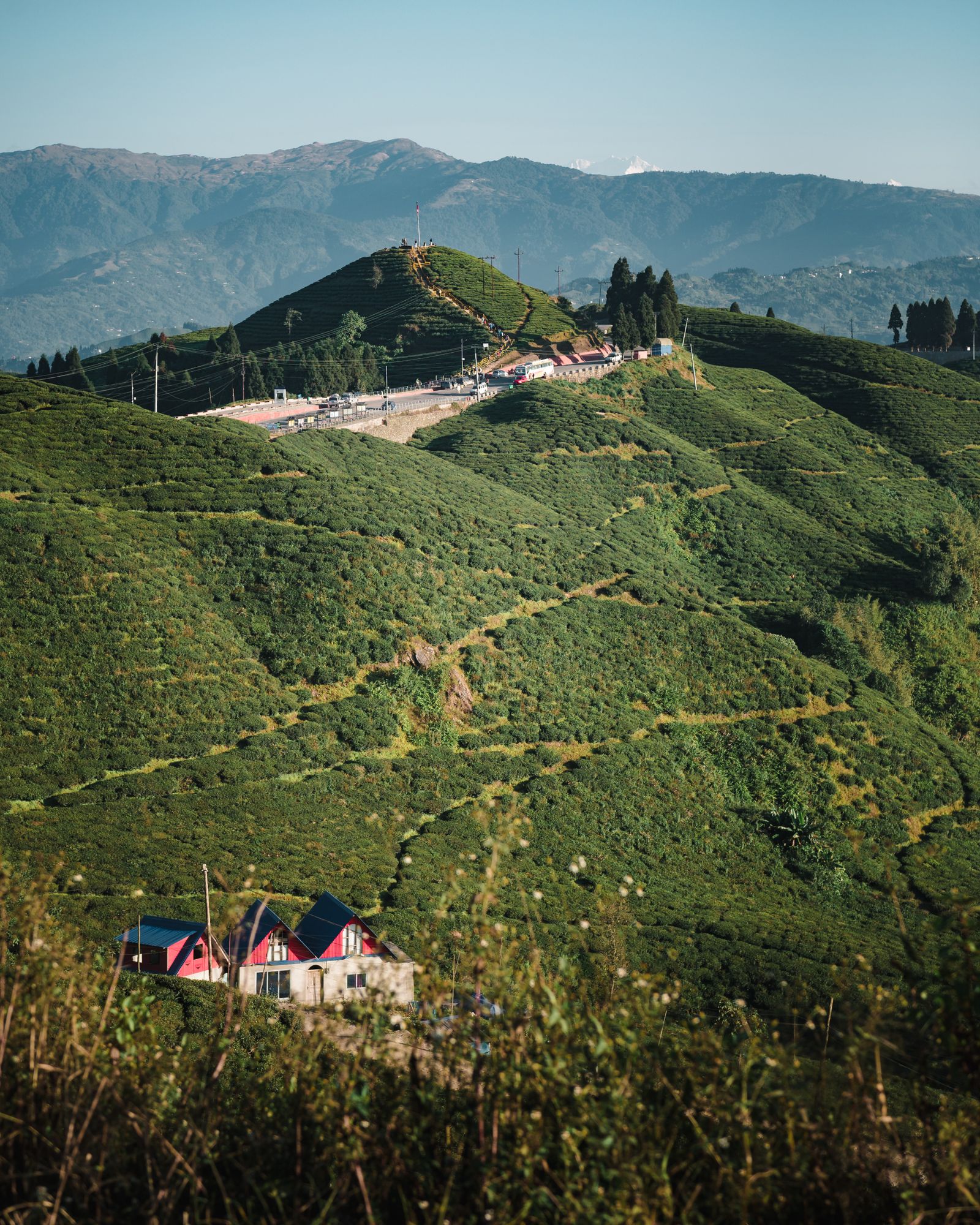
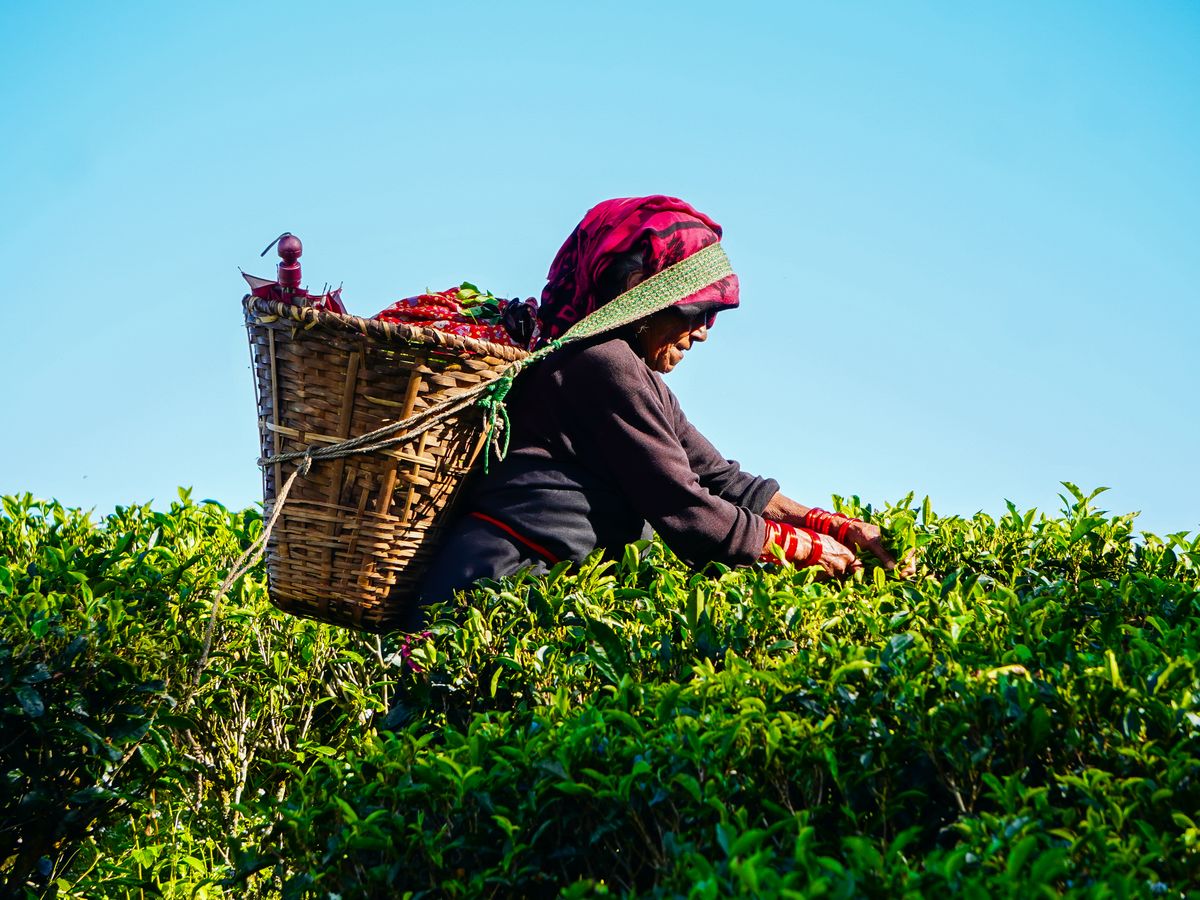
If you drink Darjeeling, you already drink Kurseong. The gardens on these slopes make the second-flush muscatel the district is judged by, and their names turn up on tins a long way from here. Makaibari, just below the town, was founded in 1852, and the first tea factory in Darjeeling district was commissioned inside it in 1859. In 1988 it became the first garden certified fully organic, and the first to take Demeter biodynamic certification. Seven villages of workers' families live on its land, and some of them take guests in rooms attached to their own houses. Castleton, planted by Dr Charles Graham in 1885 on slopes that run from 980 m to 2,300 m, is the muscatel every other muscatel is measured against. Margaret's Hope, up the northern valley, became commercially viable in 1864 under its old name of Ringtong and was renamed in the 1920s for Margaret, the daughter of its owner Mr Cruickshank, who loved the garden and died on the ship home.
Jungpana was planted by Henry Montgomery Lennox in 1899. Ambootia went fully organic and biodynamic in 1992, on a hillside that had spent a quarter of a century on the move: the Ambootia landslide of October 1968 stayed active until replanting slowly held it in the late 1980s and early 1990s. Guests who ask why every monsoon plan carries a spare day can be driven past it. The lounge everyone ends up at is Margaret's Deck, built like a ship's deck above the Margaret's Hope garden, 900 m from the station: the garden's own tea, and the bushes the leaf came from below the rail. The factory floor, withering through to firing and the tasting afterwards, belongs to The Planter's Week, which gives Makaibari two nights. Choosing between the estates that take guests is the subject of our note on tea estate bungalows.
Where we put guests
Three kinds of night, and not for the same person.
- Taj Chia Kutir, inside the Makaibari estate. Around 1,400 m with the sections starting at the door, 73 rooms and suites, a spa and a heated indoor pool, about 36 km from Bagdogra, which the hotel puts at 70 minutes. A resort rather than a bungalow, which is right for a first night up from the plains with children, and for grandparents who want a lift and a warm room.
- Cochrane Place at Fatak, on the Pankhabari road. The restored house of Percy John Cochrane, magistrate of Kurseong, 31 rooms, with Makaibari, Castleton and Ambootia all round it. Plainer than the Taj and nearer the tea, and the rooms are uneven: we inspect a valley-facing one in the main house, away from the road, before we put anybody in it.
- A worker family's homestay inside Makaibari. A plain room attached to a family's own house, and their rice, dal and greens at their table. Not for every guest, and the best night on the estate for anyone who wants to know who actually makes the tea.
These and the Darjeeling houses stand side by side on the Darjeeling page.
An afternoon that is not about tea
Eagle's Crag, Durpin Dara to the town, is about a kilometre from the station: a small park on a spur with a watchtower of some thirty feet and a spiral metal staircase. North on a clear morning you get Kanchenjunga, distant and small. South, and this is the rarer view, you look down over the gardens to the flat country you flew into, because almost nowhere else in these hills shows you the plains at all. The staircase has rusted in places, so it is not for unsteady knees, and the last stretch of road is too narrow for two cars, which is why we walk it. A Shahid Smarak on the same ground remembers Gorkha soldiers killed in service. Come in the morning for the mountain and at five for the light on the plains.
Four kilometres out at Giddapahar is the house Sarat Chandra Bose bought in 1922 and was interned in from 1933 to 1935, and where his brother Subhas was held under house arrest for seven months in 1936. It is a small, quiet museum now, with photographs and belongings in the rooms the family used. Nobody publishes its hours reliably, and the listings that claim to are guessing, so we ring the day before rather than drive you to a locked gate.
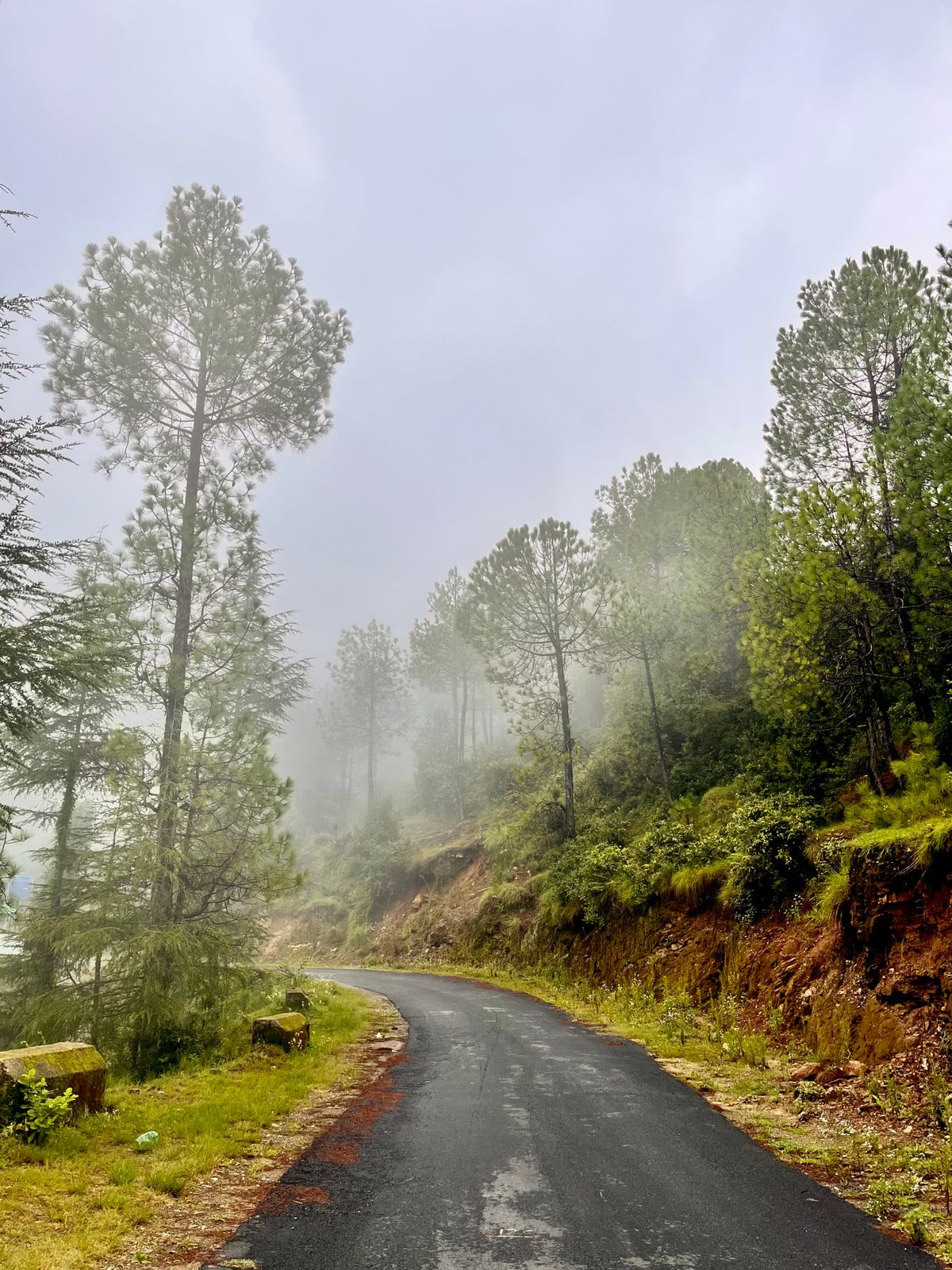
Above the town is Dow Hill: pine forest and two old schools. Victoria Boys' School was founded in 1879 by Sir Ashley Eden and took Queen Victoria's name for her Jubilee when it moved a kilometre to its present buildings, and Dow Hill Girls' School opened in 1898 in the ones it had left. There is a forest museum and a deer park. Every child raised in Kurseong will also tell you the road between the two schools is haunted. We walk guests down it in the afternoon and let them make up their own minds.
Who should not sleep here
Anyone whose trip is about the mountain. Kurseong sees Kanchenjunga on a clear morning, but it does not stand the range over your rooftops. Anyone who wants an evening out: the bazaar shuts by nine. Anyone with three or four nights and a first visit to spend them on. Sleep in Darjeeling and give Kurseong the afternoon it deserves on the way up or down.

Journeys that sleep in Kurseong
- The Toy Train Weekend: three nights, one of them here for the 06:30 local up to Ghum, then a steam train chartered for your party alone. From ₹85,000 per person when four guests share the charter.
- Three Generations: seven nights for grandparents, parents and children, four of them at Taj Chia Kutir inside Makaibari, with Darjeeling kept as one gentle day out. From ₹1,50,000 per person, twin share, on six guests in three rooms.
- The Tea Trail: six nights from three Kurseong gardens to Glenburn's factory and the Chogyal's garden at Temi in South Sikkim, opening with a night at Cochrane Place. From ₹1,55,000 per person, sharing a twin room.
Tell us your landing time and who is travelling, and we will say whether your first night belongs here or higher up.
Sources we checked for this note (16)
- Kurseong at 1,482.55 m, 32 km from Darjeeling and 34 km from Siliguri; name probably Lepcha, either kurson-rip for the small white orchid Coelogyne cristata or a stick of local cane; the railway station is the nucleus of the town with the track running along its length; Dow Hill with the forest area, deer park and Victoria Boys' School; Eagle's Craig viewpoint; Netaji museum at Giddapahar; tea gardens Makaibari, Castleton, Ambootia, Margaret's Hope, Jungpana, Goomtee, Balasun, Lopchu and Glenburn (checked 20 September 2026)
- Train 52587 Kurseong to Darjeeling: departs Kurseong 06:30, Tung 07:03, Sonada 07:46, Ghum 08:30 and departs 08:35, Darjeeling 09:05; 29 km in 2 hours 35 minutes; First Class and Second Seating; runs daily; return working 52588 leaves Darjeeling 16:00 and reaches Kurseong 18:30 (checked 20 September 2026)
- Makaibari Tea Estate: founded 1852, 120 hectares of tea within 670 hectares, 600 to 1,500 m; the tea factory at Makaibari was the first in Darjeeling district, commissioned in 1859; in 1988 the first garden certified fully organic, and the first Demeter biodynamic tea garden; seven villages (Kodobari, Fulbari, Koilapni, Cheptey, Makaibari, Thapathali, Chungey); homestay programme in which tea workers host visitors in chalets attached to their own homes (checked 20 September 2026)
- Castleton Tea Estate planted by Dr Charles Graham in 1885, 980 to 2,300 m, on the slopes of Kurseong and Pankhabari; rose-like fragrance and muscatel flavour; has fetched world record prices (checked 20 September 2026)
- Margaret's Hope: set up in the 1830s and commercially viable from 1864 as Ringtong or Bara Ringtong, renamed in the 1920s after Margaret, daughter of the owner Mr Cruickshank, who died on the ship returning to England; 950 to 1,830 m; in the northern valley of Kurseong (checked 20 September 2026)
- Ambootia: a large landslide of October 1968, triggered by high rainfall, which remained active until re-vegetation began to stabilise it in the late 1980s and early 1990s; the garden moved to fully certified organic and biodynamic production in 1992 (checked 20 September 2026)
- Giddapahar is 4 km from Kurseong; Sarat Chandra Bose bought the house in 1922 and was interned there in 1933 to 1935; Subhas Chandra Bose was placed under house arrest in it for seven months in 1936; it is now the Netaji Subhas Chandra Bose Museum with photographs and articles belonging to both (checked 20 September 2026)
- Netaji Subhas Chandra Bose Museum, Kurseong: the guide itself states that opening hours vary and that visitors should check the latest timing before planning a visit, which is why we telephone the day before rather than publish an hour (checked 20 September 2026)
- Victoria Boys' School founded 1879 by Sir Ashley Eden, renamed Victoria Boys' School for Queen Victoria's Jubilee year when it moved one kilometre to its present campus at Dowhill; Dow Hill Girls' School established 1898 in the former boys' building; the two schools stand a kilometre apart among pine forests (checked 20 September 2026)
- Eagle's Crag, Kurseong: about 1 km from Kurseong railway station; a watchtower of about 30 feet reached by a spiral metal staircase, rusted in places so caution is advised for elderly visitors; a park and the Shahid Smarak memorial to Gorkha soldiers; Kanchenjunga visible on clear days, with the plains below. Listings also name the Teesta valley in the southern view; we could not confirm that the Teesta itself is visible from the spur, so this note claims only the plains (checked 20 September 2026)
- Our own destination page: Taj Chia Kutir in the Makaibari estate, 73 rooms and suites, J Wellness Circle spa and indoor heated pool, about 36 km and 1 hour 10 minutes from Bagdogra (the hotel's own figure, from a page archived in December 2025 and flagged for reconfirmation); Cochrane Place by Teesta Hotels, 132 Pankhabari Road, Fatak, 31 rooms, once the home of Percy John Cochrane, magistrate of Kurseong, with the rooms flagged in our own file for inspection before sale; Darjeeling at 2,045 m with December nights of 3 to 4 °C (checked 20 September 2026)
- Margaret's Deck, the Goodricke tea lounge built like a ship's deck above the Margaret's Hope garden, 900 m from Kurseong station, from our own Kitchens of the Hills day records; its opening hours are not published, so we telephone (checked 20 September 2026)
- Jungpana Tea Estate was planted by Henry Montgomery Lennox in 1899, in the Kurseong subdivision (checked 20 September 2026)
- Eagle's Crag at Kurseong is known locally as Durpin Dara, a watchtower on a spur above the tea gardens about 1 km from the station (checked 20 September 2026)
- Train 52588 Darjeeling to Kurseong: departs Darjeeling 16:00, reaches Kurseong 18:30, 2 hours 30 minutes over 29 km, daily (checked 20 September 2026)
- Drive times are the owner's: /plan/getting-here/#drive-times gives Kurseong and Makaibari as 37 to 42 km and 1 to 1.5 hours from Bagdogra by Rohini Road, and Darjeeling as 70 km and about 3 hours. Four journeys sleep in Kurseong (The Planter's Week 2 nights, Three Generations 4, The Tea Trail 1, The Toy Train Weekend 1) and fourteen more carry Kurseong in a day record. No long-run temperature normal is published for Kurseong, so this note quotes none (checked 20 September 2026)
Checked September 2026.